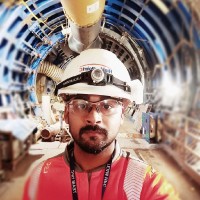

Geologist At Hinkley Point C Nuclear Power Station
CurrentAt Hinkley Point C building two new nuclear reactors, the first in a new generation of nuclear power stations in Britain providing zero-carbon electricity for around six million homes. The electricity generated by its two EPR reactors will offset 9 million tonnes of carbon dioxide emissions a year, or 600 million tonnes over its 60-year lifespan. Hinkley Point C’s contribution to fighting climate change means that during its 60 years of operation it will have a large, positive impact on the environment.Balfour Beatty are delivering one of the most complex marine engineering projects currently taking place in the world to support the construction of the first new nuclear power station built in the UK in a generation. The project having the construction of three tunnels under the seabed that will supply the two reactors at Hinkley Point C with cooling water and then discharge it back into the Bristol Channel. Excavating a total of nine kilometres of tunnel, which will be lined with 38,000 concrete segments forming 6000 lining rings. The tunnels will be connected to the seabed by vertical shafts and capped with large intake and outfall heads, each weighing close to 5000 tonnes, that allow sea water to pass into the tunnels.TunnellingThree Tunnel Boring Machines will use rotating cutting wheels to excavate two 3.5km intake tunnels and one 1.8km outfall tunnel. As the machine cuts through the rock, it will line the tunnel with a ring of concrete segments. A further 800 metres of underground access and service tunnels are also being excavated and reinforced using a method known as sprayed concrete lining.Outfall and intake headsThe tunnels will be capped with four intake and two outfall head structures. The largest heads will be 44-metres long (roughly the length of four double-decker buses), around eight metres high and weigh in at just under 5,000 tonnes. These structures are the most complex and dense reinforcement structures across the Hinkley Point C Project.