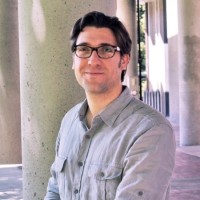
Joseph R. Daniele Email and Phone Number
Joseph R. Daniele work email
- Valid
- Valid
Joseph R. Daniele personal email
Joseph R. Daniele phone numbers
Joseph R. Daniele is a Principal Institute Research Scientist at MD Anderson Cancer Center. He possess expertise in biochemistry, molecular biology, developmental biology, cell biology, flow cytometry and 13 more skills.

-
Principal Institute Research ScientistMd Anderson Cancer CenterHouston, Tx, Us
-
 Principal Institute Research ScientistMd Anderson Cancer Center Mar 2024 - PresentHouston, Texas, United States
 -
Institute Senior Research ScientistMd Anderson Cancer Center Apr 2021 - Mar 2024Houston, Texas, United States
-
Institute Research ScientistMd Anderson Cancer Center Jan 2019 - Apr 2021Houston, Texas AreaFunctional Group Leader (Applied Innovation and Automation) specializing in Translational Research for Therapeutics and Biomarker Development
-
 Assistant Project ScientistUniversity Of California, Berkeley Aug 2018 - Dec 2018San Francisco Bay Area
 -
Postdoctoral Fellow In Andy Dillin Lab (Hhmi)Uc Berkeley Jan 2013 - Jul 2018Berkeley, CaFlow Cytometry, Cell Biology, and GeneticsIn my post-doc, I (1) defined the circuit and cellular mechanisms of ER-stress-induced longevity and (2) developed new flow cytometry methods and high-content data analysis/visualization software to study longevity, protein homeostasis, and rare disease.In Collaboration with Prof. Edgar Arriaga (U. Minnesota, Analytical Chemistry):- Developed a software and data visualization platform (in Perl and MATLAB) to enable high-throughput characterization of animal physiology e.g. mitochondrial bioenergetics, lipid quantity and distribution- Worked as project manager to plan, develop, and execute team goals- Developed a workflow, an analysis algorithm, and visualization software. This included (1) iteration of product design, market feedback, and revision, (2) quality control, (3) proof of concept and data visualization, (4) setting deadlines for deliverables, and (5) delivering a user-friendly product- Applied software to defining the circuit and cellular mechanism of ER-stress-induced longevity- Publications: Sci Reports 2017, MBoC 2018, and Sci Advances 2020, Cell Reports 2020. In Collaboration with Prof. Edgar Arriaga and Prof. Anu Suomalainen-Wartiovaara, M.D. (U. Helsinki):- Developed high-throughput methods to measure mitochondrial bioenergetics and morphology at the organelle and organismal level- Developed flow cytometric techniques to characterize mitochondrial subpopulations from crude isolates- Applied this method to the characterization of mitochondrial subpopulations in cells derived from patients with mitochondrial disease- Publications: Anal Chem 2016, Dev Cell 2017, Curr Prot Cyt 2018, and Cell Metab 2021.
-
 Postdoctoral FellowHarvard University Jun 2012 - Dec 2012Greater Boston Area
 -
Phd In BiochemistryHarvard University Sep 2006 - May 2012Cambridge, MaBiochemistry, Cell Biology, and NeurodevelopmentIn my doctoral work, I employed a wide range of techniques to study how the morphogen Hedgehog (Hh), which is implicated in stem cell maintenance and neoplastic disease (cancer), is released from Drosophila photoreceptor neurons. This work provided a new, important, and accessible target for human cancer treatment and drug development.Through biochemical characterization of Hh processing in cell lines I discovered that a novel C-terminal proteolytic event in the endoplasmic reticulum (ER) governed the ligand’s secretion. Site-specific mutagenesis of 80+ sites within the Hh sequence enabled the identification of a conserved amino acid necessary for this proteolytic event. Immunohistochemical staining of developing Drosophila brains enabled examination of this mutant in photoreceptors and demonstrated the necessity of C-terminal proteolysis in neurodevelopment (Biology Open 2017a). Finally, analysis of Hh transport via a novel live-imaging technique provided evidence for distinct, lipidation-dependent, trafficking pathways of this ligand along the axon (Biology Open 2017b). These works provided the first evidence that Hh release from cells (e.g. from a tumor) could be modulated by targeting its C-terminal proteolysis in the ER, a novel and druggable target for future work in cancer biology.Publications: ChemPhysChem 2012, Biology Open 2017a and 2017b
-
Chief Technology Officer (Part Time)Empiricell, A Live-Cell Diagnostic Company Sep 2010 - Jul 2012Cambridge, MaLive-Cell Diagnostics, Oncology, Technology DevelopmentIn the latter part of my graduate work at Harvard (and in collaboration with Harvard Business School), I founded (with two others) a live-cell medical diagnostic company that applied an existing technology (from the George Whitesides lab, Harvard Chemistry) to detect and diagnose cancer. This start-up opportunity broadened my thinking and taught me how to apply cutting-edge technologies to important real-world problems. Upon completion of proof-of-concept experiments, we planned, wrote, and received approval to carry out a clinical trial at Brigham and Women’s Hospital & Dana-Farber. Unfortunately, at a critical point in the business we lost a key team member (our cancer expert) due to unrelated personal obligations. Thus, despite the technical and clinical infrastructure being in place, and sufficient funding, the clinical trial was never started. The founders disbanded and went on to careers in academia, biotech, and venture capital. This experience gave me the opportunity to learn, first-hand, some of the creative problem solving that goes into starting and running a small medical diagnostics company. This included planning experiments, writing clinical trial protocols, performing financial estimates, reviewing patent applications, understanding some of the regulatory aspects of biotech, and even learning about production and scale-up.
-
 Research Assistant In David Page Lab (Hhmi)Mit (Whitehead Institute) Sep 2005 - Jun 2006Cambridge, MaStem Cell Biology, Reproduction, and DevelopmentWorking with Prof. Yueh-Chiang Hu (U. Cincinnati), I performed site-specific examination of DAZL gene expression in the developing and mature mouse gonad. This work proposed an entirely new mechanism for human infertility and argued against the previously accepted view that germ cell differentiation was a cell-autonomous event (PLoS Genetics 2015). For this achievement, I received the M.I.T. Institute-Level, John L. Asinari Award in 2006 for outstanding undergraduate work in life sciences.DAZL had previously been implicated in human infertility and necessary for germ cell differentiation in the embryonic male and female gonad. From staged mice across a broad range of time points (e.g. embryonic day 8.5 to 8 week adult) I dissected gonads, prepared tissues for pathological examination (e.g. paraffin embedding and sectioning), and performed immunohistochemical and histological examination. My work showed that a new inductive signal in the somatic genital ridge is likely responsible for germ cell differentiation upon entry into this anatomical precursor to the gonad (PLoS Genetics 2015). This discovery argued against the prevailing theory that germ cell differentiation was a cell-autonomous event.Publications: PLoS Genetics 2015
 -
 Research Assistant In Ron Evans Lab (Hhmi)Salk Institute For Biological Studies May 2004 - Sep 2005La Jolla, CaPhysiology, Endocrinology, and Gene ExpressionSummer '04 - Working with Prof. Chih-Hao Lee (Harvard School of Public Health) and Peter Olson (Mirati Therapeutics), I measured gene expression (via RT-qPCR) for a panel of putative target genes in response to PPARδ nuclear receptor activation. This receptor has been implicated in diabetes, obesity, atherosclerosis, and metabolic syndrome X. I performed this expression analysis on liver and white fat that I dissected and prepared from mice treated with a PPARδ agonist. I also measured circulating lipids and performed a glucose tolerance test (GTT) to assess whole-body insulin sensitivity. These experiments resulted in the discovery of several novel therapeutic target genes in white fat whose expression correlated with improved insulin sensitivity.Summer ’05 – Working with Jun Sonoda (Discovery Scientist, Genentech), I administered a Farnesoid X receptor (FXR) agonist (via gavage) to mice which were predisposed to liver dysfunction and gallstone disease. After drug treatment, I dissected liver and gallbladder and prepared samples for RT-qPCR and pathology. Blood and bile were also taken to perform analysis of circulating lipids and bile acid production. Analysis of gene expression and pathology revealed that FXR activation improved liver function and ameliorated gallstone incidence via upregulation of a specific bile production gene, revealing a new therapeutic target for human gallstone disease.
 -
 Composer In Residence And Paid Researcher For Ani PatelThe Scripps Research Institute Jun 2001 - Sep 2003The Neurosciences Institute (La Jolla, Ca)Computational Neuroscience, LinguisticsWorking with Prof. Ani Patel (Tufts) I developed computational methods (programming and statistical analysis in MATLAB) to perform side-by-side quantitative analysis of linguistic and musical datasets. This work provided the first empirical evidence that one’s native language influences the music of the underlying culture, and so may be similarly processed (Cognition 2003). This early finding is broadly referenced as a pioneering work establishing an important new field of study. My later work, which utilized vastly expanded musical data sets, revealed the first quantitative evidence of a creative rhythmic shift in German/Austrian music in the late 1700s (Music Perception 2003, 2013, 2015, ICMPC 2004). More recently, I have developed new data visualization methods for these complex musical datasets which has enabled cross-composer comparisons in the quantitative measure of musical influence (Empirical Musicology Review 2017a, b).This work was recognized with an invited talk at an international cognition conference in 2016 (ICMPC14) and recognized as a Finalist for the SEMPRE/ICMPC14 Young Investigator Award. These ~15 years in “quantitative anthropology,” which began prior to undergrad, have illustrated that computational analysis of unique datasets can unearth exciting patterns that enrich and inform historical research.Publications: Cognition 2003, Music Perception 2003, Music Perception 2013, Music Perception 2015, ICMPC 2004, Empirical Musicology Review 2017a and 2017b
 -
 Assistant EngineerSaic May 2000 - Sep 2000Greater San Diego AreaMarine Technology/ Ocean EngineeringAssisted in many aspects of ocean engineering including the drafting of electrical and design plans for a hyperbaric ("decompression") chamber and the design and fabrication of a housing unit for meteorological equipment (to go on the deck of a ship).
Joseph R. Daniele Skills
Joseph R. Daniele Education Details
-
Biology; Cognitive Neuroscience;
-
Biochemistry
-
 Commercializing Science: Biomedical And Life Sciences (2107)
 -
 Biochemistry; Cell Biology; Experimental Psychology;
Frequently Asked Questions about Joseph R. Daniele
What company does Joseph R. Daniele work for?
Joseph R. Daniele works for Md Anderson Cancer Center
What is Joseph R. Daniele's role at the current company?
Joseph R. Daniele's current role is Principal Institute Research Scientist.
What is Joseph R. Daniele's email address?
Joseph R. Daniele's email address is jd****@****ard.edu
What is Joseph R. Daniele's direct phone number?
Joseph R. Daniele's direct phone number is (415) 284*****
What schools did Joseph R. Daniele attend?
Joseph R. Daniele attended Massachusetts Institute Of Technology, Harvard University, Harvard Business School, University Of Cambridge.
What skills is Joseph R. Daniele known for?
Joseph R. Daniele has skills like Biochemistry, Molecular Biology, Developmental Biology, Cell Biology, Flow Cytometry, Cell Culture, Neuroscience, Cognitive Neuroscience, Computational Neuroscience, Fluorescence Microscopy, Confocal Microscopy, Microscopy.
Free Chrome Extension
Find emails, phones & company data instantly
Aero Online
Your AI prospecting assistant
Select data to include:
0 records × $0.02 per record
Download 750 million emails and 100 million phone numbers
Access emails and phone numbers of over 750 million business users. Instantly download verified profiles using 20+ filters, including location, job title, company, function, and industry.
Start your free trial