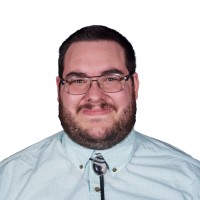
Osiyo. My name is Nathaniel Cacy, and I am the Public Health Analyst for the state of Nebraska on the Overdose Response Strategy. The Overdose Response Strategy is a concentrated effort to address drug overdose deaths by coordinating and building relationships between public health and public safety organizations. I am embedded within the Midwest High Intensity Drug Trafficking Areas (HIDTA) program, Nebraska Department of Health and Human Services (DHHS), and the CDC Foundation to maximize resources and collaboration.I am currently enrolled in the Masters of Arts, Addiction Counseling and Prevention (Co-Occurring Specialization) program at the University of South Dakota - Online. My intended graduation date is Fall of 2022. As a federally enrolled member of the Cherokee Nation of Oklahoma, most of my academic research and focus has been on investigating the protective factors and impact that integrating cultural education and access to historical tribal practices and knowledge can have on communities. Additionally, due to the proximity I have to the Midwest, another focus of mine has been on harm reduction and risk mitigation strategies to address the ongoing opiate epidemic we see across the United States.My work experience in treatment and prevention includes close to 2 years as a Youth and Family Program Manager for the Soaring Over Meth and Suicide (SOMS) program at the Nebraska Urban Indian Health Coalition (NUIHC) in Omaha, Nebraska. The SOMS program was a grant recipient for the Methamphetamine and Suicide Prevention Initiative (MSPI) and Domestic Violence Prevention Initiative (DVPI), supported by both the Substance Abuse and Mental Health Services Administration (SAMHSA) and the Indian Health Service (IHS). By providing culturally congruent services, including a wraparound youth and family program, we provided advocacy, support, and representation for Native families across the state of Nebraska. This includes addressing issues like food security, law enforcement contact, clothing and housing needs, and educational barriers and opportunities. Alongside these services, access to cultural education, traditional healing and cultural practices, and connecting communities with elders and group opportunities to build resiliency was a core focus and function of the SOMS program.
Listed skills include Public Speaking, Event Planning, Leadership, Time Management, and 13 others.