
AeroLeads people directory · profile
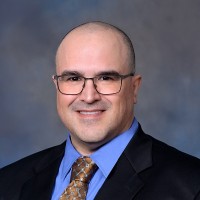
Thomas Horvath Email & Phone Number
Assistant Professor
at
Baylor College of Medicine
1 work email found
@mdanderson.org
1 phone found area 877
LinkedIn matched
✓ Verified August 2026
4 data sources
Profile completeness 100%
Current company
Role
Assistant Professor
Location
Houston, Texas, United States
Company size
Who is Thomas Horvath? Overview
A concise factual answer block for searchers comparing this professional profile.
Quick answer
Thomas Horvath is listed as Assistant Professor at Baylor College of Medicine, a with 13359 employees, based in Houston, Texas, United States. AeroLeads shows a work email signal at mdanderson.org, phone signal with area code 877, and a matched LinkedIn profile for Thomas Horvath.
Thomas Horvath previously worked as Instructor at Baylor College Of Medicine and Instructor at Baylor College Of Medicine. Thomas Horvath holds Ph.D., Physical Chemistry, Nanobiosensors from University Of Michigan.
Company email context
Email format at Baylor College of Medicine
This section adds company-level context without repeating Thomas Horvath's masked contact details.
*@mdanderson.org
68% confidence
AeroLeads found 1 current-domain work email signal for Thomas Horvath. Compare company email patterns before reaching out.
Profile bio
About Thomas Horvath
Highly skilled in the development and validation of high-throughput, liquid chromatography-tandem mass spectrometry (LC-MS/MS)-based methods to measure exogenous small-molecule therapeutics (e.g., pharmaceuticals and peptides) or endogenous bio-molecules (e.g., metabolites and lipids) in an assortment of biological matrices and tissues. These methods have been developed to support a host of projects including the following: i) PK/PD assessments of therapeutic compounds; ii) assess the effectiveness or bioequivalence of novel formulations; iii) investigate the mechanism of action of new therapeutic compounds; and iv) determine alterations in metabolic pathways based on disease state or therapeutic intervention. Publication record spans a diverse subset of research areas including nanotechnology, nutritional biochemistry, Aedes aegypti mosquito metabolism (carbon-13 isotope tracing), and pharmaceutical discovery and development. Regarded as an advisor to peers, and a mentor to junior staff and former students.
Listed skills include Analytical Chemistry, Glp, Chemistry, Validation, and 26 others.
Current workplace
Thomas Horvath's current company
Company context helps verify the profile and gives searchers a useful next step.
Baylor College Of Medicine
19 roles · 34 years
Thomas Horvath work experience
A career timeline built from the work history available for this profile.
Instructor
Assistant Professor
Instructor
My efforts have been keenly focused on the development of bioanalytical methods to measure endogenous and exogenous small-molecules and proteins from an assortment of biological fluids and tissue extracts. Of late, I have been building a number of methods to support the analytical microbiology efforts of our team here at BCM/TCH, and the efforts of collaborators affiliated with outside institutions. As a member of the TCH-Microbiome Center, I apply LC-MS/MS-based methods to support an assortment of bio-medically relevant projects that include: 1) examine if specific microbes (i.e., Bifidobacterium dentium, Bacteroides ovatus, and others) possess specific metabolic pathways necessary to produce a targeted set of neurotransmitters and short-chain fatty acids in in vitro culture; ii) examine if these same microbes are capable of modulating neurotransmitter production in our in vitro intestinal organoid models, and in our in vivo gnotobiotic mouse models of the mammalian gut-brain-axis; and, iii) performing biomarker discover in a number of pediatric liver and gastroenterology-related diseases.
Jun 2022 - Aug 2024
Assistant Laboratory Director
I currently work in the Microbiome Center at Texas Children's Hospital. I have been working on developing a rapid LC-MS/MS-based in vitro method to fingerprint the Antimicrobial Resistance (AMR) profiles of standard and clinically relevant Klebsiella pneumonia (K pneumonia) isolates. The method utilizes sub-Minimum Inhibitory Concentration (MIC) levels of commonly prescribed antibiotics (e.g., carbapenems) to probe for hydrolytic activity of potentially expressed beta-lactamase enzymes. Additionally, I am working towards adapting my expertise in targeted LC-MS/MS analysis to quantitate biologically relevant small-molecules in microbiological laboratory (e.g., SCFAs, bile acids, and potential bacteria-host signaling molecules). I am currently working on methods for quantifying these analytes in the following samples: stool, bio-reactor, and bacteria media and cell pellets. Furthermore, I am currently working on developing my skills in proteomics, metaproteomics, and proteomic-based bioinformatics. Finally, I am working closely with our in-house clinical microbiologists to gain an understanding on how to work with pathogenic micro-organisms safely and in accordance with BSL2 safety requirements (e.g., bacterial incubation and expansion, inoculation, and how to assess the log phase of bacteria growth (lag, expansion, and stationary).
Nov 2018 - Sep 2022

Adjunct Faculty (Joint Appointment)
Adjunct Faculty in the Department of Pharmacy Practice and Translational Research

Associate Academic Editor
In this role, I review manuscripts undergoing peer review, invite candidates to peer review articles, and make accept/revise/reject decisions based on anonymous peer reviewer recommendations. Further, I recruit peer reviewers and content for the journal.
Editorial Board Member For Cell Press - Star Protocols
I assist the editorial staff of the journal by providing input and feedback on website content, peer-review processes, and journal formatting.
Scientific Committee Member
I am a member of the MSACL Scientific Committee Member for the OMICs Steering Committee for the 2024-MSACL National Meeting

Metabolomics Interest Group Coordinator
In this voluntary role, I assist the Society by co-coordinating the presented content of the Metabolomics Interest Group Workshop at the annual ASMS National Meeting - this is a 2-year appointment.
Aug 2021 - Jul 2023

Research Scientist Iii
Developed targeted LC-MS/MS methods on a Sciex 6500 QTrap for the following projects:Quantitative lipidomics method for the quantitation of eicosanoids, (S)-HETEs, cysteinyl leukotrienes, lipoxins, prostaglandins, thromboxanes, and platelet-activating factors present in cell, plasma, or serum samples.Quantitative metabolomics methods: i) measurement of ~50 metabolites from diverse chemical classes from cell-based biological extracts; ii) measurement of transsulfuration pathway metabolites for an on-going clinical oncology study to screen for potential biomarkers present in human serum and plasma.Quantitative methods for the quantitation of therapeutic compounds: i) simultaneous assessment of PK/PD parameters and tissue distribution of an investigational NNMT inhibitor in the serum and tissues of mice; and ii) assessment of PK parameters an antibiotic in plasma or serum collected from critically ill pediatric burn patients.
Feb 2018 - Jul 2018

Research Scientist In The Proteomics And Metabolomics Core Facility
Developed targeted Low-Resolution LC-MS/MS (LR-LC-MS/MS) on an Agilent 6460 tandem mass spec, or High-Resolution, Accurate-Mass (HRAM-LC-MS)) methods on a Thermo Scientific OrbiTrap Fusion mass spec for the following projects:Quantitative metabolomics methods: i) measurement of 36 amino acids and amino acid derivatives in various biological matrices; ii) determination of the position and degree of carbon-13 isotope tracer incorporation into the amino acids alanine, proline, glutamine, and glutamate in mosquitoes fed bloodmeal with [1,2-13C2]-glucose; and iii) measurement of the isotopolog population distributions of carbon-13 isotope tracer incorporation into approximately 43 targeted metabolites using HRAM-LC-MS.Quantitative methods for the quantitation of therapeutic compounds: i) assessment of L-Asparaginase PD in mice treated with commercial or novel in-house derived mutants of the enzyme-drug; ii) assessment of the loading of an immunogenic peptide into a novel adjuvant for the development of an anti-cancer vaccine; and iii) assessment of the tissue exposure of the radioprotectant drug, WR-1065, in the jujenum, duodenum, liver, pancreatic tumors, and plasma of mice treated with the prodrug, WR-2721 (Amifostine).Performed preventative maintenance and monthly calibration of the LC-MS/MS system. Trained junior staff on the operational use of the laboratory software and hardware.
Jun 2014 - Feb 2018

Senior Research Scientist-Method Development Group
I worked as a Senior Research Scientist in the Methods Development (MD) group in the Bioanalytical Sciences Division of WorldWide Clinical Trials (WCT) located in Austin, Texas. In this role, I was able to accomplish the following tasks: 1) Developed approximately 20 LC-MS/MS bioanalytical methods for the quantitation of pharmaceuticals and metabolites in plasma harvested from humans, rats, and beagles; 2) performed full GLP-level validations on two bioanalytical methods; 3) evaluated new MD technologies for increasing throughput during the development and production phases of our bioanalytical workflows (e.g. Shimadzu SIL-20AC HT; Shimadzu MPX2 2-channel multiplexed LC system; and SPEWare ALDIII SPE screening robot); 3) served as the MD laboratory supervisor and laboratory safety officer to ensure that all MD staff complied with operational and EH&S SOP's. My secondary role was focused on the composition and execution of Operations Qualification (OQ) and Performance Qualification (PQ) scripts to complete the validation packages for new technology initiatives at WCT. I took a leadership role in the following validation projects: 1) authored and executed PQ scripting for the validation of Analyst 1.6.1 for the operation of a single AB Sciex mass spectrometer in a regulated production environment; 2) I co-authored the replicate IQ/PQ for the deployment of Analyst 1.6.1 on 19 additional API-4000 and API-5000 mass spectrometers in a regulated production environment; 3) co-authored the validation plan and SOP for the deployment of Thermo-Fisher Scientific Aria LX-2 2-channel Multiplexing LC Systems in a regulated environment; 4) authored the OQ and PQ for the control and operation of a CTC PAL autosampler (w/ DLW) by Analyst 1.6.1; 5) Authored and executed the PQ for a single Aria LX-2 2-channel Multiplexing LC System in a regulated environment; 6) authored and executed the replicate PQ for four additional Aria LX-2 2-channel Multiplexing LC Systems.
Apr 2011 - Jun 2014

Post-Doctoral Researcher
Developed LC-MS/MS methods to measure the tissue-level biotin status indicators 3-hydroxyisovaleric acid and 3-hydroxyisovaleryl carnitine in human plasma and urine.Conducted biomarker research and managed past and on-going clinical sample analysis performed at the Arkansas Department of Health, Public Health Laboratories.
Apr 2009 - May 2011

Graduate Student (Kopelman Lab)
2004 - 2008
~4 yrs

Research Associate
2002 - 2004
~2 yrs

Bioanalytical Chemist
1999 - 2000
~1 yr

Undergraduate Student
1996 - 2000
~4 yrs

1993 - 1995
~2 yrs
4 education records
Thomas Horvath education
Ph.D., Physical Chemistry, Nanobiosensors
University Of Michigan
Master Of Science - Ms, Physical Chemistry
University Of Michigan
B.S., Chemistry
Eastern Michigan University
A.A.S., Mechanical Drafting
Ivy Tech Community College
FAQ
Frequently asked questions about Thomas Horvath
Quick answers generated from the profile data available on this page.
What company does Thomas Horvath work for?
Thomas Horvath works for Baylor College of Medicine.
What is Thomas Horvath's role at Baylor College of Medicine?
Thomas Horvath is listed as Assistant Professor at Baylor College of Medicine.
What is Thomas Horvath's email address?
AeroLeads has found 1 work email signal at @mdanderson.org for Thomas Horvath at Baylor College of Medicine.
What is Thomas Horvath's phone number?
AeroLeads has found 1 phone signal(s) with area code 877 for Thomas Horvath at Baylor College of Medicine.
Where is Thomas Horvath based?
Thomas Horvath is based in Houston, Texas, United States while working with Baylor College of Medicine.
What companies has Thomas Horvath worked for?
Thomas Horvath has worked for Baylor College Of Medicine, University Of Houston, Cell Press, Mass Spectrometry & Advances In The Clinical Lab, and American Society For Mass Spectrometry (Asms).
How can I contact Thomas Horvath?
You can use AeroLeads to view verified contact signals for Thomas Horvath at Baylor College of Medicine, including work email, phone, and LinkedIn data when available.
What schools did Thomas Horvath attend?
Thomas Horvath holds Ph.D., Physical Chemistry, Nanobiosensors from University Of Michigan.
What skills is Thomas Horvath known for?
Thomas Horvath is listed with skills including Analytical Chemistry, Glp, Chemistry, Validation, Bioanalysis, Pharmaceutical Industry, Spectroscopy, and Mass Spectrometry.
Find 750M verified contacts
Search by job title, company, industry, location, and seniority. Export verified B2B contact data when you need it.
Start free trial