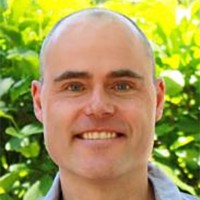
Thomas Nieland work email
- Valid
- Valid
- Valid
- Valid
Thomas Nieland personal email
ARTIFICIAL INTELLIGENCE AND GENOMICS BASED THERAPEUTICS DISCOVERY FOR CNS DISORDERS• Large pharma, advisory board and consulting experience in drug and target discovery for a broad spectrum of neurodegenerative and psychiatric disorders, such as Alzheimer’s and Parkinson’s disease, ALS and FTD, schizophrenia and neuroimmunology• Experienced leader of interdisciplinary research groups and collaborations in and between pharmaceutical industry, CROs and Academia.• Creative, highly motivated PhD scientist with over 15 yr of expertise in drug & functional genomic screening. • Unique skill set includes in vitro assay development in complex 3D cell cultures, organoids, human iPSC stem cells, primary cells, cell lines and methods such as high content imaging, biochemistry, RNAseq and electrophysiology.
-
 Strategic Advisory BoardCellectriconBoston, Ma, Us
 -
 Senior Director & Head Of Exploratory Biology And Target ValidationVerge Genomics 2023 - PresentSouth San Francisco, Ca, Us
 -
Director, Head Of Exploratory Biology And Target ValidationVerge Genomics Nov 2020 - Mar 2023South San Francisco, Ca, UsARTIFICIAL INTELLIGENCE BASED THERAPEUTICS DEVELOPMENT FOR NEURODEGENERATIVE DISORDERSResponsible for all aspects of the research and development portfolio in target validation, disease modeling and exploratory biology. Verge Genomics is a start-up focused on AI and machine learning to create treatments for patients suffering from neurological disorders.• Management of cross-functional research, budget, and CRO and academic collaborations. • Created a new department, built a new lab infrastructure. Hired 14 FTE, Promoted and retained talent.• Project lead and JSC voting member of multi-year partnerships with large pharma for discovery of new CNS targets. Delivered new targets to the pipeline triggering milestone payment.• Serve as the domain expert to business development for partnership expansion, assets acquisition and fundraising.• Developed a multifaceted target discovery strategy incorporating computational analysis, biological, safety, clinical tractability, and competitive landscape. • Established a target validation platform based on genomics & pharmacological perturbation, transcriptomic and phenotypic assays.• Established a human disease modeling platform utilizing iPSC technology, 2D and 3D-cocultures of neurons, astrocytes, microglia
-
Strategic Advisory BoardCellectricon 2019 - PresentMölndal, Vastra Gotaland, Se
-
Associate Director, TechnologyInitiative For Neural Science, Disease & Engineering (Inscide @ Tufts) 2018 - Nov 2020Set research and collaboration strategy at the Initiative for Neural Science, Disease and Engineering (INSciDE@Tufts), an interdisciplinary research consortium.Our mission is to accelerate the discovery of therapeutic solutions to brain disease, integrating technological innovations in biomedical engineering with stem cell biology and regenerative medicine. We address brain research through a nation-wide network of researchers and brain surgeons with interdisciplinary expertise in neuroscience and brain disease, chemistry and biomedical, chemical, electrical and mechanical engineering.
-
 Associate Professor, ResearchTufts University 2017 - Nov 2020Medford, Massachusetts, UsDISCOVERY OF MECHANISMS, TARGETS AND DRUGS FOR NEURODEGENATIVE AND PSYCHIATRIC DISORDERS.Our research aimed to identify targets, molecular pathways, cell types and neural circuit defects that may cause neurodegenerative and psychiatric disease. We used this information to identify novel drug treatmentsAn important aspect of our work was to create 3-D human disease models that mimic the cellular composition (e.g. neurons, microglia, astrocytes, ECM), structure and function of the diseased brain. To achieve these goals we employed bioengineering approaches, organoids and human iPSC stem cells. Additional tools include genetics, functional genomics (CRISPR; RNAi), chemical biology, systems biology, electrophysiology and optogenetics tools.• Mentored postdocs, PhD students, undergraduates, and technicians.• Bioengineered human 3D brain tissues composed of dopamine and cortical neurons, astrocytes, and microglia.• Developed human iPSC and rodent 3D cultures models of traumatic brain injury (TBI) and identified the role of mitochondria in neurodegeneration and neuroinflammation.• Identified small molecule inhibitors preventing neurodegeneration after TBI.• Developed human iPSC DA neuron model of Parkinson’s disease and identified metabolic biomarkers and new disease gene expression networks based on machine learning.• Characterized neural circuit functionality in 3D engineered brain tissues using calcium imaging sensor technology.• Grant recipient.
 -
 Research Affiliate In BiologyMassachusetts Institute Of Technology (Mit) Oct 2005 - Nov 2020Cambridge, Ma, UsDrug discovery in cardiovascular disease
 -
 Associate Principal Scientist And Group LeaderMerck 2016 - 2017Rahway, New Jersey, UsCross-departmental and cross-site responsibility for target discovery and validation in neurodegeneration My group focussed on drug, target and pathway discovery for neurodegenerative diseases such as Alzheimer's and Parkinson's disease. We used human iPSC and primary rodent models, cell based and biochemical high-throughput screens find novel small molecules and biologics• Set and executed strategies to identify disease mechanisms, drugs and targets for neurodegeneration.• Managed PhD scientists.• Provided expertise in functional genomics and in vitro disease modeling.• Initiated academic collaborations.
 -
 Senior Research Scientist And Faculty AffiliateStanford University 2015 - 2016Stanford, Ca, UsI was leading a group of graduate students and postdocs to develop 3-dimensional human tissue models of the brain, in particular neural circuits, to elucidate the mechanisms of neurodegenerative and psychiatric disease initiation, progression, and for development of novel treatments. This position included mentoring, grant writing and managing a lab of 25 scientists.
 -
 Research Fellow In NeurobiologyHarvard Medical School May 2009 - 2016Boston, Ma, Us• Developed quantitative in-vitro high-throughput assays of synaptogenesis in 96- and 384-well plate format of mouse primary neurons using fluorescence imaging• Developed the first quantitative automated image analysis algorithm for unbiased analysis of synaptogenesis• Identified the novel function of genes regulating synaptogenesis in functional genomic screens
 -
 Research Scientist IiBroad Institute Of Harvard And Mit 2007 - 2014Cambridge, Ma, Us• Shared leadership in the development of long-term strategies to elucidate disease mechanisms of psychiatric disorders. • This 40+ members Academic-Industry collaboration consisted of biologists, bioinformaticians, geneticists, medicinal chemists, in vivo pharmacologists and clinicians.• Presented plans to stakeholders. • Directed matrix teams that executed experiments to link disease mutations to molecular, cellular, circuit and animal behavior phenotypes.• Directed collaborations for the initiation, development and execution of high-throughput functional genomics screens in a range of disease areas (immunology, cardiovascular, neurological)• Developed quantitative in-vitro high-throughput assays in 96-well and 384-well plate format of mouse primary neurons and human stem cell derived neurons:• High content imaging, qPCR, FLIP, qPCR, FLIPR, reporter and biochemical assays to monitor neural development, neural circuit activity and signaling• Discovered novel functions of candidate risk genes of X-linked intellectual disability, psychiatric disease and autism spectrum disorders in functional genomic screens • Identified a novel role of chromatin remodeling in learning and memory and Alzheimer’s Disease• Identified drugs that modulate chromatin remodeling enzymes that repair neurodegenerative disease
 -
 Post Doctoral FellowJohns Hopkins University Oct 2006 - Oct 2007Baltimore, Md, UsResearch Topic: Chemical biology approaches to the study of learning and memory. Advisor: Richard Huganir• Identified the novel function of Wnt signaling molecules in synapse development using functional genomic approaches• Identified novel functions of drugs that improve learning and memory, using high-throughput, high content screening of primary neurons.
 -
 Postdoctoral Research FellowMit And Harvard 2005 - 2006Cambridge, Massachusetts, Us
 -
Graduate Student And Postdoctoral Research FellowMit And Harvard Oct 1999 - May 2005Cambridge, Massachusetts, UsResearch Topic: Chemical biology of membrane trafficking and cardiovascular diseaseAdvisors: Monty Krieger and Tom Kirchhausen • Developed microscopy-based high throughput, high content screens of endocytosis and exocytosis. • Developed high throughput screens of Scavenger Receptor (SR-BI) dependent HDL lipid transport. • Discovered and characterized novel inhibitors of endo/exocytosis and the first chemical inhibitors of SR-BI.• Performed cell-based and biochemical receptor ligand studies SAR analysis to identify the mechanism of action and target of these drugs.• Discovered a novel mechanism of action of clinically approved HDL raising drugs. • Characterized the interaction between SR-BI and lipoproteins and ApoE.
-
ConsultantCardium Pharmaceuticals 2005 - 2006Developed strategies for the development of a drug discovery program to identify novel HDL elevating drugs that protect against cardiovascular disease.
-
 Research AssociateNki-Avl 1996 - 1999Amsterdam, Noord Holland, NlResearch Topic: Cellular, molecular and in vivo studies to the tumor protective mechanisms of heat shock proteins.• Discovered the molecular mechanism of the tumor protective effect of the heat shock protein gp96.• Developed cellular assays to study endocytosis of heat shock proteins by primary dendritic cells.• Conducted in vivo mouse vaccination studies of cancer with heat shock proteins.
Thomas Nieland Skills
Thomas Nieland Education Details
-
 Harvard UniversityCell Biology
 -
The Johns Hopkins UniversityNeuroscience
-
Massachusetts Institute Of Technology
-
Vrije Universiteit Amsterdam (Vu Amsterdam)Doctor Of Philosophy (Ph.D.)
-
Institut Génétique Moléculaire De Montpellier
-
Leiden UniversityMaster'S Degree
Frequently Asked Questions about Thomas Nieland
What company does Thomas Nieland work for?
Thomas Nieland works for Cellectricon
What is Thomas Nieland's role at the current company?
Thomas Nieland's current role is Strategic Advisory Board.
What is Thomas Nieland's email address?
Thomas Nieland's email address is th****@****fts.edu
What schools did Thomas Nieland attend?
Thomas Nieland attended Harvard University, The Johns Hopkins University, Massachusetts Institute Of Technology, Vrije Universiteit Amsterdam (Vu Amsterdam), Institut Génétique Moléculaire De Montpellier, Leiden University.
What skills is Thomas Nieland known for?
Thomas Nieland has skills like Tissue Culture, Neuroscience, Drug Discovery, High Throughput Screening, Confocal Microscopy, In Vivo, Molecular Biology, Genetics, Genomics, Biology, Rnai, Biochemistry.
Free Chrome Extension
Find emails, phones & company data instantly
Aero Online
Your AI prospecting assistant
Select data to include:
0 records × $0.02 per record
Download 750 million emails and 100 million phone numbers
Access emails and phone numbers of over 750 million business users. Instantly download verified profiles using 20+ filters, including location, job title, company, function, and industry.
Start your free trial