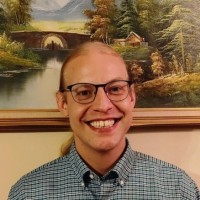
Michael F. Wagner, PhD, is a social scientist, applied statistician, and consultant. Michael applies behavioral science methods to business problems that clients face, alleviating pain points and optimizing the quality and Return on Investment for implementing versions of his recommendations. Michael's methods draw from 12 years of research experience.Contact me here on LinkedIn for a free 30-minute consultation (website under construction) to help me understand your business problem/context.Michael is ethically-minded. Michael "goes the extra mile" to ensure professional association guidelines are followed without compromising the quality of the service.Michael has:- Managed at least 5 research projects (Project Management)- Recruited over 500 unique parents and collected in-person data from over 1000 research participants- Contributed an edited book chapter- Published at least 16 peer-reviewed articles- Produced 3 annotated bibliographies for United States Air Force- Expertise in data analysis and statistics applying models that range from elegant to sophisticated - Created and conducted at least 4 in-person and Internet research study protocols, including converting in-person protocols to Internet protocols.Michael's scholarly interests broadly include -- social cognitive theories of personality and behaviors and-- topics in clinical psychology (involving aggression and the Self). Michael has eclectic scholarly and industrial interests also and enjoys solving complex problems. Clients are based in international areas including the UK, India, Saudi Arabia, Canada, and the United States. Michael has developed a personal system for efficient remote work, and his business model is derived from 12 years of research experience and expertise.Michael is published in the area of social memory, false memory, child physical abuse, and aggression. Tertiary interests and historical work has focused on:+ parental emotion recognition accuracy when viewing child facial expressions of emotion+ mental routes (processes) by which people form false memories (authentic) or are convinced to report second-hand, false information about a primary topic (inauthentic false memories),+ evaluative/associative learning.Michael loves RStudio, open source, open science, and collaborating and consulting with practitioners to solve business, industry, and social problems. Thank you for reading my profile. Let's connect!