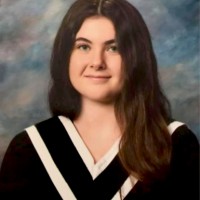
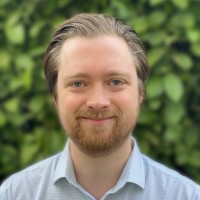
Jr. Interior Designer
Vancouver, British Columbia, Canada
During my time at ZAS Architects + Interiors, I was fortunate enough to work on a number of projects which helped define my sense of purpose as a socio-economically and environmentally driven designer. Working on these projects concurrently provided ample opportunities to cross-examine the implications design has on human experience and navigation in a variety of different occupancy types.NADA.- Opportunity: As Vancouver's first zero-waste grocery store, this venture was a very experimental one. Due to new user-procedures involving taring, bulk-product sales, and weighing of goods, accessibility and navigation had to be addressed through layout and graphics. Nada is a company which is very engaged in their community. Their flagship store served as an opportunity to engage with community beyond operating hours—providing space for yoga classes, film screenings, and other gatherings.- Design Solutions: Wayfinding and navigation became my top priority on this project. After a number of meetings and discussions with invested parties, product sequencing and an intuitive user-exerience was successfully achieved with modular shelving capable of a 30-minute take-down for community events.BC Artscape- Opportunity: This cultural community hub required space for artists, community groups, and cultural organizations to rely on as an affordable, welcome location to practice their creative works within Chinatown. Based in the Sun Wah Centre on Keefer Street, this project involved a variety of large open spaces that once served as hawker-style food-courts which needed to be scaled down to appropriately sized, private work-areas.- Design Solutions: As my work on BC Artscape was done during the preliminary design stage, it was primarily focused on site-analysis, user-interviews, and spatial design. Understanding the human dimension and user requirements allowed for effective preliminary designs to be established which considered user comfort and accessibility.