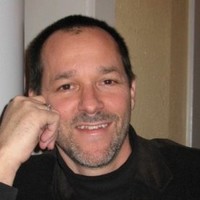
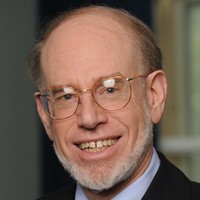
Dr. Davis is currently a Staff Scientist at the National Cancer Institute (NCI) where he mentors post-graduates, graduates, and postdocs in translational virology and oncology. His research involves revealing therapeutic targets for virus induced cancers as well as exploring new agents and repurposing agents that promote immune recognition of infected cells. He uncovered the important role of hypoxia and HIF in Kaposi sarcoma associated herpesvirus (KSHV). His studies revealed hypoxia inducible factors as targets in virus-induced cancers. This has contributed to a better understanding of the interplay between virus and host and allowed for identification of new strategies to treat these diseases. As a research fellow at the retroviral disease section at the NCI he specialized in retroviral protease regulation and the identification of therapeutic targets for HIV. Dr. Davis revealed a conserved regulatory mechanism for proteases of retroviruses that contributed to the development of dimerization inhibitors of HIV protease. He held a postdoctoral position at the NIH where he studied the use of copper compounds to target HIV protease. In 2014 Dr. Davis was awarded the Outstanding Mentor Award from the NIH Graduate Student program. Dr. Davis received his Masters (UVM) and PhD (Purdue) in Biochemistry. He has authored more than 50 papers in high impact scientific journals. These papers cover the areas of retroviral protease regulation, the role of hypoxia in viral pathogenesis, and the development of new therapies and identification of targets for HIV and KSHV related diseases. His research is broadly sited and he is involved in a variety of collaborative projects. Specialties: Mentoring and managing multidisciplinary projects, multitasking, scientific problem solving, developing therapeutic strategies, protein chemistry, mass spectrometry, developing novel bioassays, drug development, cell biology of virus induced cancers and virus immune evasion mechanisms.
Listed skills include Biochemistry, Protein Chemistry, Cell Biology, Protein Expression, and 15 others.