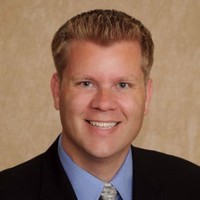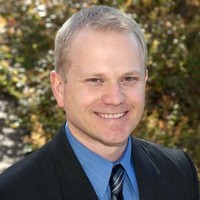
Erik Eide

Erik Eide Email and Phone Number

Molecular biologist currently in Salt Lake City, UT
Erik Eide's Location
Salt Lake City, Utah, United States, United States
Erik Eide's Contact Details

Erik Eide work email

Erik Eide personal email

n/a
About Erik Eide

I have extensive knowledge and expertise in diverse biological systems that range from circadian rhythm to cancer biology. One of my chief skills is developing, optimizing and implementing cell based bioassays that are designed to address a wide variety of questions. Most of these experiments typically require extensive use of sterile cell culture, cell biology, molecular biology and biochemistry techniques. I have also developed more specialized cell based assays. For example as a graduate student I developed, optimized and successfully used an assay that monitors and records in real time, the circadian behavior of a reporter cell line. All these assays required extensive optimization of experimental and cell culture conditions to achieve the highest quality results. I am a self-starter who can work with minimal supervision but I also strongly believe that effective communication, teamwork and collaboration are essential to maintaining a productive work environment. I have always worked closely with other lab members and scientists so as to achieve a better understanding of how I can improve my own research. I have also supervised and mentored laboratory personnel including at least ten graduate students and several laboratory technicians. I also have excellent oral and written communication skills. I have authored several manuscripts for publication and routinely prepare and give oral PowerPoint presentations to trained scientists and other lay personnel.

Erik Eide's Current Company Details

Molecular biologist currently in Salt Lake City, UT
Erik Eide Work Experience Details
  • University Of Utah
    Research Associate
    University Of Utah Oct 2018 - May 2019
    Salt Lake City, Ut
    Prior work from the Bray and other labs have demonstrated that platelets from black individuals tend to aggregate in response to an agonist at far lower concentrations than those from whites. Subsequent work in the Bray lab identified a single nucleotide polymorphism (SNP) within the human (PAR4) gene that associates with this racial variation in platelet reactivity. PAR4 is a thrombin receptor that plays a key role in mediating platelet function and clotting. While in the Bray laboratory I developed tools to study how these PAR4 variants affect platelet function in more detail. In one model, I took induced pluripotent stem cells (iPSCs) that were derived from reprogrammed somatic cells obtained from individuals harboring one of the two PAR4 SNP variants and placed them into a differentiation protocol that forced them to differentiate into functional megakaryocytes. This project required extensive optimization of both the 30-day iPSC to megakaryocyte differentiation protocol and the agonist-dependent activation assay. I discovered that there are small but noticeable differences in activation between megakaryocytes harboring the two PAR4 variants.The other project is to characterize two mouse strains, each harboring one of the PAR4 variants. The final goal of this project is to perform basic characterization of the platelets from these animals and perform ex vivo, along with in vivo, assays to analyze potential PAR4 SNP-dependent differences in platelet aggregation and clotting. To date my work on this project has focused on designing and optimizing the basic genotyping protocol, establishing our mouse colony and breeding sufficient numbers of mPAR4 WT/hPAR4 SNP heterozygous and hPAR4 SNP homozygous animals. I also set up our mouse database to efficiently track the lineages of all the mice in the colony. Do date this is an ongoing project that is more long term in scope.

  • University Of Utah
    Senior Laboratory Specialist
    University Of Utah Jan 2016 - Aug 2017
    Salt Lake City, Ut
    My research in the Ayer lab centered on a mechanism by which breast cancer cells undergo metabolic reprogramming that shifts their bioenergetic priority from energy production to increased production of biosynthetic precursors. A key regulator of this phenomenon is the MondaA transcription factor, which is part of the larger Myc/Mad/Max family of basic helix-loop-helix/leucine zipper-containing transcription factors. Specifically I focused on how MondoA’s chief transcription target, TXNIP, is regulated. The MondoA/TXNIP axis plays a critical role in maintaining the cell’s overall energetic homeostasis by regulating glucose metabolism and ATP production. The centerpiece of my project was to use CRISPR technology to develop a split GFP fluorescence-based reporter that allows for the analysis of the expression of endogenous TXNIP from its genomic locus. The ultimate goal of the project was to use this reporter as a readout for a CRISPR deletion screen designed to identify novel regulators of TXNIP under different metabolic conditions. Most of the experiments for this project utilized cell-based assays and tissue culture. Besides CRISPR/Cas9, some of the other techniques employed included quantitative PCR, confocal microscopy and electroporation of mammalian cells with preassembled ribonucleoprotein complexes.
  • Utah State University
    Researcher I
    Utah State University Nov 2014 - Oct 2015
    Logan, Ut
    While working in the laboratory I was in charge of organizing supplies, ordering, maintaining laboratory equipment, maintaining a rodent colony and performed other lab duties as needed. I also worked on two research projects. One project focused on characterizing the gene expression profile in the skeletal muscle of cattle that were fed different diets. One chief hurdle that needed to be overcome was that the skeletal muscle was very difficult to homogenize. Compounding this problem was the extremely small size of the muscle samples. Despite these limitations I was able to develop a method to extract RNA of sufficient quantity and quality for qPCR analysis. I also worked on a research project in which the goal was to identify signal transduction pathways that link ovarian function to aging in a mouse model of menopause. An important part of the research was to determine how altering ovarian function by pharmacologic inhibition or surgical transplantation of the ovaries in young mice with those from aged mice would affect the mouse estrous cycle. The estrous cycle stage was determined by first performing vaginal lavage followed by microscopic observation of dried smears. Assigning estrous cycle stage based on cytology required extensive experience and record keeping. From this I standardized the lab’s method for estrous cycle determination.
  • Fred Hutchinson Cancer Research Center
    Postdoctoral Research Associate
    Fred Hutchinson Cancer Research Center Nov 2005 - Oct 2013
    Seattle, Wa
    My postdoctoral work focused on how the previously uncharacterized ubiquitin ligase TRIM62, a member of the TRIM family of ubiquitin ligases, regulates the Epithelial Growth Factor Receptor (EGFR). I originally identified TRIM62 in an siRNA screen as a protein that regulates both the cell cycle and the turnover of the cell cycle inhibitor p27. Using Tandem Affinity Purification, I further characterized TRIM62 as a putative regulator of endocytic trafficking based on its interactions with several known regulators of endosome function. Subsequent work showed that TRIM62 regulates the trafficking of the EGFR from the early to late endosome. The most significant outcome of this work is that I demonstrated that TRIM62 specifically regulates EGF-dependent signaling from the EGFR through the Akt signal transduction pathway but not MAPK.I also took this work in a more translational direction to determine if TRIM62 might be a useful therapeutic target for treating breast cancer patients. I applied for and was awarded a grant from the Fred Hutchinson Cancer Center New Technology Development Fund. Using these funds, I first determined that TRIM62 mRNA and protein expression were elevated in HER2+ breast cancer cells compared to normal human mammary epithelial cells (HMECs) and triple negative breast cancer (TNBC) cells. I also developed a semi high throughput cell-based assay to determine if depletion of TRIM62 expression by siRNA sensitizes HER2+ and TNBC cells to drugs currently used in the clinic. TRIM62 exhibited remarkable specificity as depletion of TRIM62 in HER2+ cells significantly improved the efficacy of both Lapatinib and Herceptin whereas it had no effect on cytotoxic agents such as cisplatin and doxorubicin in TNBCs.
  • Huntsman Cancer Institute
    Research Associate
    Huntsman Cancer Institute Dec 2003 - Oct 2005
    Salt Lake City, Ut
    Continued my graduate thesis project in the Virshup laboratory. Project focused on examining how CKIε-dependent phosphorylation and protein turnover regulate the mammalian circadian clock. Made extensive use of metabolic labeling and 2D peptide mapping to identify key phosphorylation sites in the circadian regulatory protein PERIOD2. I made contributions to an unexpected result where a mutation in CKIε that causes a short circadian period in rodents phosphorylates different amino acids in PER2 in vitro than it does in intact cells. These findings also had implications for studying kinase activity in general as well.

Erik Eide Education Details

Frequently Asked Questions about Erik Eide

What is Erik Eide's role at the current company?

Erik Eide's current role is Molecular biologist currently in Salt Lake City, UT.

What is Erik Eide's email address?

Erik Eide's email address is er****@****tah.edu

What schools did Erik Eide attend?

Erik Eide attended University Of Utah, Colorado State University.

Not the Erik Eide you were looking for?

Free Chrome Extension

Find emails, phones & company data instantly

Find verified emails from LinkedIn profiles
Get direct phone numbers & mobile contacts
Access company data & employee information
Works directly on LinkedIn - no copy/paste needed
Get Chrome Extension - Free

Aero Online

Your AI prospecting assistant

Download 750 million emails and 100 million phone numbers

Access emails and phone numbers of over 750 million business users. Instantly download verified profiles using 20+ filters, including location, job title, company, function, and industry.