
AeroLeads people directory · profile
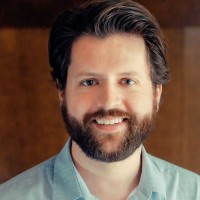
Justin Watkins, Ph.D. Email & Phone Number
Project Leader and Scientist II
at
KBI Biopharma
1 work email found
@kbibiopharma.com
LinkedIn matched
✓ Verified Jul 2026
4 data sources
Profile completeness 86%
Current company
Role
Project Leader and Scientist II
Location
Raleigh-Durham-Chapel Hill Area, United States
Company size
Who is Justin Watkins, Ph.D.? Overview
A concise factual answer block for searchers comparing this professional profile.
Quick answer
Justin Watkins, Ph.D. is listed as Project Leader and Scientist II at KBI Biopharma, a with 1637 employees, based in Raleigh-Durham-Chapel Hill Area, United States. AeroLeads shows a work email signal at kbibiopharma.com and a matched LinkedIn profile for Justin Watkins, Ph.D..
Justin Watkins, Ph.D. previously worked as Scientist II at Kbi Biopharma and Scientist I at Kbi Biopharma. Justin Watkins, Ph.D. holds Doctor Of Philosophy - Phd, Biology/Biological Sciences, General from Wake Forest University.
Company email context
Email format at KBI Biopharma
This section adds company-level context without repeating Justin Watkins, Ph.D.'s masked contact details.
*@kbibiopharma.com
71% confidence
AeroLeads found 1 current-domain work email signal for Justin Watkins, Ph.D.. Compare company email patterns before reaching out.
Profile bio
About Justin Watkins, Ph.D.
I am a scientist and team leader with 12+ years of experience managing multidisciplinary projects in the academic and biopharma spaces. Currently, I am a team leader supporting analytical testing for multiple early- and late-phase pipeline biologicals for the treatment of human and veterinary diseases. I thrive working in a fast paced and collaborative environment. As a life-long learner, I am committed to working with others from diverse backgrounds to find solutions to complex problems. • I aspire to exemplify servant leadership in my role as team leader, with a focus on personal development through setting SMART goals to achieve individual and team success.• Leveraging my experience as a teacher-scholar in academia, I effectively communicate data trends to internal and external clients, escalating issues that impact project scope or timelines to appropriate team leaders. • I have expertise working with a wide variety of large and small molecules, including monoclonal and bispecific antibodies, FC-fusion proteins, virus-like particles, peptides, nucleic acids, and specialized metabolites in plant and mammalian models.During my time in academia, I demonstrated expertise in the management of cross-functional projects, mentoring of undergraduate/graduate students, and science communication in written and oral forms.• 2 instructor on record experiences and 6 invited guest lecturing opportunities in higher education • 3 awarded fellowships, totaling 6 years and $275,000 of funding• 7 publications in top scientific journals, including Science Signaling• 15 seminars at regional and international conferences, including 8 invited presentations Specialties: • Development and management of internal/external collaborations• Oral and written communication (scientific and persuasive)• Empower, LIMS, IDBS Electronic Lab Notebooks • Separations-based and plate-based techniques to assess critical quality attributes of drug products• DNA/RNA extraction and analysis, site-directed mutagenesis, transfection of cells and organisms• Transient and stable protein expression assays, protein/small molecule labeling• Handling, growing, and transforming bacteria, aseptic techniques • Brightfield, widefield, and confocal microscopy; 3D imaging and super-resolution microscopy
Current workplace
Justin Watkins, Ph.D.'s current company
Company context helps verify the profile and gives searchers a useful next step.
Kbi Biopharma
11 roles
Justin Watkins, Ph.D. work experience
A career timeline built from the work history available for this profile.
Role listed
Scientist Ii
Current
Jan 2024 - Present
Scientist I
Technical lead for multiple Phase 1&2 pipeline projects to support our process development teams•Mentor and trainer for my team of analysts, providing technical guidance, training, goal alignment, and professional development to achieve individual and team success•Expert in technical and persuasive communication to a diverse audience: o Effectively communicate data trends and bottlenecks to appropriate internal and external stakeholders, escalating issues that impact project scope or timelines o Author and approve technical documents, such as protocols, technical guides, and non-GMP data reports •Analyze in-process data to ensure that trends are suitable to report for process development support•Streamline data collection, analysis and reporting by developing Instrument, Processing, and Report Methods with appropriate custom fields in Empower•Execute and plan analytical testing and schedules for myself and junior team members to ensure deliverables are on time for client milestones and meet company standards.•Expert in Good Document and Laboratory Practices (cGDP/cGLP) with familiarity of cGMP conditions•Assist in screening candidates for open positions in AD, including resume review and conducting phone and panel interviews.Expertise:•Ultra- and High-Performance Liquid Chromatography (UPLC/HPLC) methods: size exclusion, SEC coupled with Multi-Angle Light Scattering (SEC-MALS), titer, reverse phase, ion exchange (IEX), peptide mapping, glycan analysis•Reduced/non-reduced capillary electrophoresis (CE-SDS), Imaged Capillary IsoElectric Focusing (icIEF)•ELISAs to measure residual capture ligands (e.g. ProteinA, CH1-XL) and host cell proteins, potency ELISA, residual DNA analysis via qPCR, Biolayer Interferometry (BLI)-based titer, endotoxin, UV-VIS spectroscopy. •Small-scale capture via PreDictor Plate and automated Robocolumn•Empower 3, Laboratory Information Management System (LIMS), IDBS Electronic Lab Notebook, LabArchives, Microsoft Office
Nov 2021 - Dec 2023
Hits Case Fellow
High-throughput Discovery Science and Inquiry-based Case Studies for Today's Students (HITS) NetworkCase study developed by my team:"Quantitative analysis of high-throughput fluorescence microscopy images from Allen Cell"Description: Students tend to see microscopy as a “snapshot” of a single cell or small group of cells that is best described qualitatively. High-throughput methods allow for the imaging of many cells from which quantitative measurements can be made and for which statistical analyses of differences can be performed. Case study learning objectives:1) Students will utilize image processing methods in fluorescence microscopy2) Students will be able to identify variables that can be measured and perform quantitative analysis of these variables3) Students will be able to perform statistical analyses comparing cell characteristics under different conditions (e.g. drug treated vs. non-treated, before/after expression of a specific gene)HITS Fellow objectives:• Provide workshops, a virtual community, and online resources to foster high-throughput research and its integration into the classroom• Connect researchers and educators to design and assess quantitative biology case studies based on high-throughput discovery research• Create a diverse consortium of institutions committed to implementing these quantitative educational tools in biology courses and curricula across the country and worldHigh-throughput approaches can open the doors to discovery of novel genes, drugs, and regulatory networks. The effective design, implementation, and analysis of high-throughput research require fundamental quantitative skills. However, the high cost and technological demands of high-throughput discovery prohibit its use in most college laboratories. To address this need, this Research Coordination Network in Undergraduate Biology Education (RCN-UBE) seeks to improve student quantitative skills and participation in high-throughput discovery.
Apr 2021 - Mar 2022

Postdoctoral Research Associate
Advisor: Alan M. Jones• Initiate and manage a 14-person multidisciplinary project spanning 4 labs across three universities to create a map of early cell signaling events caused by pathogen invasion: outline goals and target deadlines, assess progress of groups/individuals, curate/present final product• Wrote numerous workflows and peer-reviewed journal articles, including one published in Science Signaling• Excellent persuasive and technical oral/written communication skills demonstrated by an awarded 3-year NIH research fellowship and 7 seminars and 11 poster presentations at international conferencesMain projects in the Alan Jones Lab:1) Discover regulatory mechanisms that bias heterotrimeric G-protein signaling toward different cellular outcomes2) Elucidating phosphatases that negatively regulate the activation of G-protein signaling, modulating plant immunity to bacterial invasion• Mass spectrometry-based quantitative proteomics to capture the phosphorylation states of proteins and amino acid residues in response to flg22, a pathogen-associated peptide that triggers the innate immune response3) Imaging the single-cell time dynamics of plant heterotrimeric G-protein signaling in response to biotic and abiotic stimuli over time in live samplesUtilized techniques: • Fiji ImageJ, Imaris, GraphPad Prism, Adobe Illustrator/Photoshop• DNA/RNA isolation, cDNA library prep, qRT-PCR, qPCR, PCR, cloning, DNA sequence analysis, site-directed mutagenesis• Transient and stable protein expression assays, chemiluminescence and fluorescence-based assays, plate-based assays, generating cell protoplast, protein/small molecule labeling• Handling, growing, and transforming bacteria• Brightfield, widefield, and confocal microscopy, spectral imaging, FRET, BiFC, BRET, colocalization, 3D imaging, super-resolution
Oct 2017 - Nov 2021
Spire Postdoctoral Fellow
The Seeding Postdoctoral Innovators in Research and Education (SPIRE) program at UNC Chapel Hill is a 3-year research fellowship, funded by the NIGMS via IRACDA (NIH K12 award).• Enabled me to excel in both research and teaching-Research in the laboratory of Dr. Alan Jones at UNC-CH -Teaching as a Visiting Assistant Professor at the University of North Carolina at Pembroke (UNCP)Accomplishments:• Instructor on record for 2 courses at UNC Pembroke• Completed a semester-long course, College Teaching, lead by Dr. Ed Neal, that focused on pedagogy and undergraduate mentoring• Research mentor for the SPIRE Summer Undergraduate Research Program in 2019• Certificate of completion of The Flipped Classroom workshop, a 4-part workshop series with Dr. Barbi Honeycutt• Attended monthly professional development workshops on various topics related to research ethics, technical writing, grant applications, training junior scientists, and teaching strategies.• Attended the yearly IRACDA conference to network, collaborate, and present lab- and classroom-based research Search committee representative:-UNC SPIRE Summer Undergraduate Research Program search committee-SPIRE fellow representative for the SPIRE program search committeeMy research interests as a cell and molecular biologist as a SPIRE fellow are focused on studying the signaling mechanisms that connect environmental stimuli with growth and development. A hallmark characteristic of signal transduction is the ability for a signal molecule to modulate a wide range of responses. How a signal mediates such a diverse array of outputs and how these response pathways are integrated with other inputs remains a fundamental question in biology and in many aspects of human health. To better understand this connection, I have utilized the plant Arabidopsis thaliana as a model for genetic, biochemical, molecular, and organismal research.
Sep 2018 - Aug 2021

Visiting Assistant Professor
Spring 2020: Introduction to Microbiology (BIOL3150) • Mixed lecture and active learning - 20 Students• Conducted an IRB approved education research project titled:"Incorporating exam wrappers into a college-level microbiology course to foster critical evaluation of study habits among undergraduate students"• Transitioned online to asynchronous format in March due to the onset of with coronavirus pandemicFall 2020: Principles of Biology (BIOL1000)• Mixed lecture and active learning - 26 StudentsCollaborated with the UNCP Research Training Initiative for Student Enhancement (RISE) program to develop three professional development workshops• Workshops included guided self-reflection and group discussion to identify, apply for, and interview effectively at graduate programs and internships that align with the student’s interests and career aspirationsSupported through the SPIRE program at UNC Chapel Hill
Jan 2020 - Dec 2020

Graduate Student Research Assistant
Building on the Muday Lab's research on redox signaling in roots, I pioneered a novel research project that explored the function of flavonoid antioxidants in guard cells on leaves. This project resulted in a new field of research in the lab that is still ongoing today, incorporating new graduate and undergraduate students. • Project manager for 3 projects, each spanning multiple labs, resulting in 5 peer-reviewed publications • Implemented new imaging technology, to discover and characterize the role of small molecule antioxidants and hormones in regulating cell signaling and organismal development in model systems• Conducted tutorials and workshops on advanced microscopy techniques to WFU students, postdocs, and faculty and to local middle and high school students• In conjunction with the microscopy core director: traveled to ZEISS Microscopy Customer Center New York to demo new equipment for the chemistry, physics, and biology departments at WFU. -Advised specific WFU labs on what products most apply to their present and future imaging needs -Resulted in the purchase two microscopes for the university: Zeiss Axio Zoom.V16 and LSM 880 AiryscanOther accomplishments:• 2 research fellowships awarded, totaling $105,000 and 3 years of funding• 3 first-author publications (5 total publications)• 5 undergraduates mentored on independent research projects• 10 total travel scholarships awarded to attend international conferences totaling $4,800• Cover art for Plant Physiology Volume 164, Issue 4 in 2014.Utilized techniques:• Fiji ImageJ, Imaris, Adobe Illustrator/Photoshop• DNA/RNA isolation, cDNA library prep, qRT-PCR, qPCR, PCR• Liquid Chromatography-Mass Spectroscopy, MS/MS, liquid handling systems• Generating cell protoplast, protein/small molecule labeling, histological staining • Brightfield, widefield, and confocal microscopy, spectral imaging, linear unmixing, colocalization, 3D imaging, super-resolution, live cell imaging
Aug 2011 - Sep 2017
Usda National Institute Of Food And Agriculture Pre-Doctoral Research Fellow
$80,000 research fellowship for 2 yearsProject: Hormone cross talk modulates redox signaling in tomato guard cells to control stomata aperture and water loss. • Applied my previous research experiences to the crop plant tomato (Solanum lycopersicum)• Presented my research at the USDA National Institute of Food and Agriculture Project Directors Conference in Washington D.C. • Cultivated tomato plants in growth chamber, green house, and field environments for experiments• Lead to a first-author publication in Plant Physiology in 2017 (https://doi.org/10.1104/pp.17.01010).
Sep 2014 - Aug 2016
Center For Molecular Signaling Research Fellow
$25,000 research fellowship for 1 yearProject: Discover and characterize the role of flavonol antioxidants in regulating redox signaling and drought stress in Arabidopsis• Presented my research at the Wake Forest University Center for Molecular Signaling conference in Winston-Salam, NC• Coauthored with the first undergraduate mentee of my career, Paul Heckler• Lead to a first-author publication and the cover art for Plant Physiology in 2014 (https://doi.org/10.1104/pp.113.233528)
Sep 2012 - Aug 2013
Team & coworkers
Colleagues at KBI Biopharma
Other employees you can reach at kbibiopharma.com. View company contacts for 1637 employees →
JR
 Joseph Raggi
Colleague at Kbi BiopharmaRaleigh, North Carolina, United States
View →
VS
Joseph Raggi
Colleague at Kbi BiopharmaRaleigh, North Carolina, United States
View →
VS
 Vladislav Sharin, Phd
Colleague at Kbi BiopharmaSpring, Texas, United States
View →
AT
Vladislav Sharin, Phd
Colleague at Kbi BiopharmaSpring, Texas, United States
View →
AT
 Anuj Thakkar, Ph.D.
Colleague at Kbi BiopharmaDurham, North Carolina, United States
View →
AL
Anuj Thakkar, Ph.D.
Colleague at Kbi BiopharmaDurham, North Carolina, United States
View →
AL
 Arthur Leveque
Colleague at Kbi BiopharmaGeneva, Switzerland
View →
ZF
Arthur Leveque
Colleague at Kbi BiopharmaGeneva, Switzerland
View →
ZF
 Zachary Fritz, Phd
Colleague at Kbi BiopharmaRaleigh, North Carolina, United States
View →
SW
Zachary Fritz, Phd
Colleague at Kbi BiopharmaRaleigh, North Carolina, United States
View →
SW
 Steadman Wilson
Colleague at Kbi BiopharmaMorrisville, North Carolina, United States
View →
TA
Steadman Wilson
Colleague at Kbi BiopharmaMorrisville, North Carolina, United States
View →
TA
 Timothy Agius
Colleague at Kbi BiopharmaCary, North Carolina, United States
View →
SM
Timothy Agius
Colleague at Kbi BiopharmaCary, North Carolina, United States
View →
SM
 Samantha Mcdonald
Colleague at Kbi BiopharmaRaleigh-Durham-Chapel Hill Area, United States
View →
MB
Samantha Mcdonald
Colleague at Kbi BiopharmaRaleigh-Durham-Chapel Hill Area, United States
View →
MB
 Mark Buda
Colleague at Kbi BiopharmaDurham, North Carolina, United States
View →
JP
Mark Buda
Colleague at Kbi BiopharmaDurham, North Carolina, United States
View →
JP
 Jared Preston
Colleague at Kbi BiopharmaRaleigh-Durham-Chapel Hill Area, United States
View →
Jared Preston
Colleague at Kbi BiopharmaRaleigh-Durham-Chapel Hill Area, United States
View →
Joseph Raggi
Colleague at Kbi BiopharmaRaleigh, North Carolina, United States
View →
VS
Vladislav Sharin, Phd
Colleague at Kbi BiopharmaSpring, Texas, United States
View →
AT
Anuj Thakkar, Ph.D.
Colleague at Kbi BiopharmaDurham, North Carolina, United States
View →
AL
Arthur Leveque
Colleague at Kbi BiopharmaGeneva, Switzerland
View →
ZF
Zachary Fritz, Phd
Colleague at Kbi BiopharmaRaleigh, North Carolina, United States
View →
SW
Steadman Wilson
Colleague at Kbi BiopharmaMorrisville, North Carolina, United States
View →
TA
Timothy Agius
Colleague at Kbi BiopharmaCary, North Carolina, United States
View →
SM
Samantha Mcdonald
Colleague at Kbi BiopharmaRaleigh-Durham-Chapel Hill Area, United States
View →
MB
Mark Buda
Colleague at Kbi BiopharmaDurham, North Carolina, United States
View →
JP
Jared Preston
Colleague at Kbi BiopharmaRaleigh-Durham-Chapel Hill Area, United States
View →
2 education records
Justin Watkins, Ph.D. education
Doctor Of Philosophy - Phd, Biology/Biological Sciences, General
Wake Forest University
Bachelor Of Science - Bs, Biology, General
North Carolina State University
FAQ
Frequently asked questions about Justin Watkins, Ph.D.
Quick answers generated from the profile data available on this page.
What company does Justin Watkins, Ph.D. work for?
Justin Watkins, Ph.D. works for KBI Biopharma.
What is Justin Watkins, Ph.D.'s role at KBI Biopharma?
Justin Watkins, Ph.D. is listed as Project Leader and Scientist II at KBI Biopharma.
What is Justin Watkins, Ph.D.'s email address?
AeroLeads has found 1 work email signal at @kbibiopharma.com for Justin Watkins, Ph.D. at KBI Biopharma.
Where is Justin Watkins, Ph.D. based?
Justin Watkins, Ph.D. is based in Raleigh-Durham-Chapel Hill Area, United States while working with KBI Biopharma.
What companies has Justin Watkins, Ph.D. worked for?
Justin Watkins, Ph.D. has worked for Kbi Biopharma, North Carolina State University, University Of North Carolina At Chapel Hill, University Of North Carolina At Pembroke, and Wake Forest University.
Who are Justin Watkins, Ph.D.'s colleagues at KBI Biopharma?
Justin Watkins, Ph.D.'s colleagues at KBI Biopharma include Joseph Raggi, Vladislav Sharin, Phd, Anuj Thakkar, Ph.D., Arthur Leveque, and Zachary Fritz, Phd.
How can I contact Justin Watkins, Ph.D.?
You can use AeroLeads to view verified contact signals for Justin Watkins, Ph.D. at KBI Biopharma, including work email, phone, and LinkedIn data when available.
What schools did Justin Watkins, Ph.D. attend?
Justin Watkins, Ph.D. holds Doctor Of Philosophy - Phd, Biology/Biological Sciences, General from Wake Forest University.
Find 750M verified contacts
Search by job title, company, industry, location, and seniority. Export verified B2B contact data when you need it.
Start free trial