Research Fellow
CurrentStudy of the intestinal microbiota using shotgun and amplicon-sequencing techniques in patients undergoing CAR-T therapy
Jan 2024 - Present
Please complete the CAPTCHA to continue
A concise factual answer block for searchers comparing this professional profile.
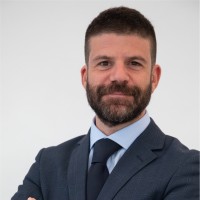
Marco Fabbrini is listed as Bioinformatician and biostatistician at Alma Mater Studiorum- University of Bologna, based in Bologna, Emilia-Romagna, Italy. AeroLeads shows a matched LinkedIn profile for Marco Fabbrini.
Marco Fabbrini previously worked as Research fellow at Alma Mater Studiorum- University Of Bologna and PhD Student at Alma Mater Studiorum - Università Di Bologna. Marco Fabbrini holds Doctor Of Philosophy - Phd, Biomathematics, Bioinformatics, And Computational Biology, Excellent from Alma Mater Studiorum – Università Di Bologna.
This section adds company-level context without repeating Marco Fabbrini's masked contact details.
Review company-level records connected to Marco Fabbrini before choosing the right outreach path.
Bioinformatician and biostatistician applied to microbiome data. I am positive, always curious, and I enjoy interacting with people. My main strengths include problem-solving, organizational, and team-working skills
Company context helps verify the profile and gives searchers a useful next step.

A career timeline built from the work history available for this profile.
Bologna, Emilia Romagna, Italy
Study of the intestinal microbiota using shotgun and amplicon-sequencing techniques in patients undergoing CAR-T therapy
Bologna, Emilia Romagna, Italia
PhD course in Biotechnological, Biocomputational, Pharmaceutical and Pharmacological Science.I worked as a bioinformatician and biostatistician for the Human Microbiomics Unit - Department of Medical Sciences.I specialized in bioinformatics and biostatistics, evaluating the human gut microbiome across diverse conditions, including:(i) Analyzing single-species genetic dynamics, focusing on Faecalibacterium prausnitzii.(ii) Adult cancer settings, like ovarian cancer and melanoma.(iii) Adult organ transplants, especially liver transplants.(iv) Pediatric hematopoietic stem cell transplantation.(v) Dietary interventions, such as dietary shifts and nutraceutical supplementation.(vi) Viral infections, including those caused by SARS-CoV-2 and respiratory syncytial virus.I also explored microbial components in environmental habitats, such as the root-associated microbiome of Vitis vinifera cultivars and microbiome networks in the northern Adriatic Sea's pelagic and benthic offshore systems.My responsibilities included processing raw sequences from next-generation sequencing (NGS) approaches, both amplicon and shotgun, utilizing state-of-the-art techniques. I applied various statistical methods to post-process the data, enhancing my proficiency in programming languages like Bash, R, and Python. I also delved into machine learning, managed Unix infrastructure (both physical and software), utilized high-performance computing (HPC), worked with containers (Docker and Singularity), and conducted federated data analyses using the Opal/Datashield platform.Throughout my PhD, I actively participated in the ORCHESTRA project, a Horizon 2020-funded European Project central to my thesis. I contributed to our project work package, delivering reports, and collaborating with international partners and EU Commission members.

Groningen, Netherlands
Visiting PhD Student in the context of the ORCHESTRA project, under the supervision of Prof. Adriana Tami.Here I deepened several aspects of the COVID-HOME study, evaluating epidemiological and clinical aspects with biostatistical approaches, and investigated the links with viral phylodynamics and the spread of the outbreak using molecular data and bioinformatics pipelines.
Bologna, Italia
Bioinformatics and biostatistical analysis of shotgun metagenomics sequencing data (NGS) from fecal samples for a comprehensive characterization of the intestinal microbiota, particularly focusing on species of pharmaceutical and clinical interest as Faecalibacterium prausnitzii
Bologna, Italy
In AML model, study of nuclear inositide-dependent signaling involved in growth and differentiation, mediated by phospholipase C beta 1 and epigenetic regulators.
Via Aurora 2, Brisighella 48013 (Ra), Italy
Brief curricolar stage experience as an economy management employee and gardener
Activities and Societies: Theoretical and practical course for training in the use of the cytometer
Activities and Societies: Chemistry, Biochemistry, Molecular Biology, Molecular Genetics, Microbiology, Bioinformatics, Biocatalysis.
Quick answers generated from the profile data available on this page.
Marco Fabbrini works for Alma Mater Studiorum- University of Bologna.
Marco Fabbrini is listed as Bioinformatician and biostatistician at Alma Mater Studiorum- University of Bologna.
Marco Fabbrini is based in Bologna, Emilia-Romagna, Italy while working with Alma Mater Studiorum- University of Bologna.
Marco Fabbrini has worked for Alma Mater Studiorum- University Of Bologna, Alma Mater Studiorum - Università Di Bologna, Umcg, Unit Of Holobiont Microbiome And Microbiome Engineering, Fabit, Alma Mater Bologna, and Lab. Cell Signaling (Dibinem, Ceo: Lucio Cocco).
You can use AeroLeads to view verified contact signals for Marco Fabbrini at Alma Mater Studiorum- University of Bologna, including work email, phone, and LinkedIn data when available.
Marco Fabbrini holds Doctor Of Philosophy - Phd, Biomathematics, Bioinformatics, And Computational Biology, Excellent from Alma Mater Studiorum – Università Di Bologna.
Search by job title, company, industry, location, and seniority. Export verified B2B contact data when you need it.
Start free trial Search contactsCheck these profiles if this is not the Marco Fabbrini you were looking for.
View similar profiles