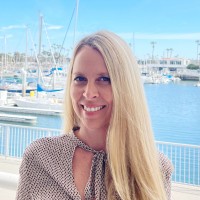
Stephanie Stenberg (she/hers) is the director of the Internet2 Community Anchor Program (CAP), where she works with regional networking partners, community anchor institutions like K-12 schools and libraries, and Internet2 membership organizations to support the mutually beneficial goals of bringing networking, trust and identity services, and advanced applications to community anchor institutions nationwide. She holds a bachelor’s degree from the University of Michigan, a law degree from Wayne State University, and is currently working toward her Digital Inclusion Leadership Certificate at Arizona State University. Stephanie is passionate about digital inclusion and equity. She recently wrapped an Institute of Museum and Library Services-funded grant, Gigabit Libraries and Beyond (RE-246219-OLS-20), to produce an updated, totally free Toward Gigabit Libraries toolkit, which helps rural, tribal, and urban library staff understand and improve their library’s broadband and IT environment (https://internet2.edu/tgl). Since joining Internet2, she has managed projects like CAP’s Regional Network Spotlight profiles of research and education networks, the Presidential Primary Sources Project distance learning series (https://internet2.edu/ppsp), a partnership with the National Park Service and the National Archives, and the CAP Distance Learning Scholarship Program, a virtual field trip scholarship program for teachers and school librarians in schools that connect to Internet2’s network (apply at https://internet2.edu/capscholarship). When she's not working, Stephanie loves reading nonfiction, being outdoors (like kayaking, skiing, or even visiting a cow sanctuary), hanging out with her 10- and 12-year old boys and her Boston Terrier Archie, going to estate sales, exploring new places, listening to the Who?Weekly podcast, and watching hundreds and hundreds of travel baseball games. Stephanie would love to connect with you to see how the Internet2 Community Anchor Program can partner with you or your organization on digital equity and inclusion projects that involve state and regional research and education networks and/or community anchor institutions like K-12 schools and libraries.
Listed skills include Legal Research, Legal Writing, Litigation, Estate Planning, and 17 others.