AeroLeads people directory · profile
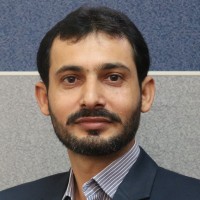
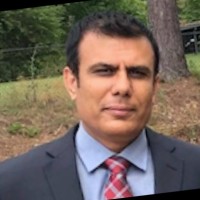
Nadeem Akhtar Email & Phone Number
Development Economics, Policy, and Capacity Building Lead
at
Research Analytics International, Inc.
1 work email found
@spc.int
LinkedIn matched
✓ Verified July 2026
4 data sources
Profile completeness 100%
Current company
Role
Development Economics, Policy, and Capacity Building Lead
Location
Nouméa, South Province, New Caledonia
Company size
Who is Nadeem Akhtar? Overview
A concise factual answer block for searchers comparing this professional profile.
Quick answer
Nadeem Akhtar is listed as Development Economics, Policy, and Capacity Building Lead at Research Analytics International, Inc., a with 4 employees, based in Nouméa, South Province, New Caledonia. AeroLeads shows a work email signal at spc.int and a matched LinkedIn profile for Nadeem Akhtar.
Nadeem Akhtar previously worked as Statistics Adviser at Pacific Community-Spc and Technical Specialist at International Organizations. Nadeem Akhtar holds Certificate: Introduction To Microeconomics, Micro And Macro Economics from University Of Oxford.
Company email context
Email format at Research Analytics International, Inc.
This section adds company-level context without repeating Nadeem Akhtar's masked contact details.
*@spc.int
68% confidence
AeroLeads found 1 current-domain work email signal for Nadeem Akhtar. Compare company email patterns before reaching out.
Profile bio
About Nadeem Akhtar
Thanks to God who instructed humans to learn by reading. The modern accumulation of knowledge is useless unless it is read, understood and applied into actions that transform human lives. I have been using this knowledge as development economist/statistician to better guide impactful and sustainable policies. By now, I was able to contribute towards the following (not holistic) 1. Projects Development2. Community Based Monitoring Systems (localisation of SDGs)3. Formative/Applied Research: Surveys-Baselines, Mid and End-Lines, Randomised control trials and quasi experimental studies4. Monitoring and Evaluation: Development of Results Frameworks, Implementation Plans, LFAs, Designing of Evaluation Studies and Impact Evaluations, Sampling techniques and calculations. 5. Data Management and Analysis: Development of Databases, Data collection, coding, cleaning, and analysis/report writing, and evaluation studies. Advance data demographic and econometric analyses6. Analysis of PDHSs, PSLMSs, Labor Force Surveys, EU SILC, MICS7. Training and Capacity Building in Research,M&E and Data Analysis8. Monitoring of social transfers modalities, e.g. post cash distribution monitoring9. Youth Workforce Development ProgramsDeveloped strong relation with data and got skills to manage data by using STATA, SPSS and Python. Prefer to use R for text analytics. QGIS for spatial analysis.Always ready to take the challenges.
Listed skills include Spss, Report Writing, Proposal Writing, Data Analysis, and 46 others.
Current workplace
Nadeem Akhtar's current company
Company context helps verify the profile and gives searchers a useful next step.
Research Analytics International, Inc.
16 roles
Nadeem Akhtar work experience
A career timeline built from the work history available for this profile.

Statistics Adviser
CurrentPlanning, developing, organising and conducting regional, sub-regional, and country-level capacity development programmes in statistical, data analysis for evidence-based policymaking; preparation of evidence-based policy-focused briefs, analytical papers, and case studies; and supporting the development of statistical literacy in the region. Supporting the development and strengthening of the MEL Network and MEL Capacity at the regional level.Liaising and working closely with other regional training institutes and organisations including USP, multiple UN agencies, PFTAC, ABS, and GIST to build regional synergies in the statistics and analytical training provided and minimise the duplication of activities.Contributing to an effective team environment and organisational corporate activities and contributing to the department's system leader function/external stakeholder engagement, partnership, and collaboration.
Mar 2022 - Present
Technical Specialist
Developed and Provided capacity building program on “Applied Research Methods - Evaluation Designs” to measure impact of Development Projects. Evaluated Early Childhood Development (ECD) project to reflect on IDELA methodology. Evaluated a project for MENA region focusing on digital methodologies to tackle hate speech and to increase resilience towards peace at the community level.
Jan 2022 - Mar 2022

Meal Coordinator
It's always important to know the impact of humanitarian work on the lives of people, who are affected by conflict, wars, or natural disasters. Recently assumed the role to lead the coordination of MEAL activities for programs that speared over the provision of primary to tertiary health care, reproductive health, mental health and psychosocial support (MHPSS), and child protection for host communities and refugees in camps as well as in urban locations.At the same time, it is important to measure the impact and to learn from interventions to lead programs that deliver efficiently, ensuring the real change and sustainable well-being of beneficiaries. Alongside the monitoring, evaluation, and accountability to the affected population (AAP), I am also working to produce research-based empirical evidence using program data, to design new interventions, to produce and manage the knowledge that can be shared with the wider humanitarian community.More succinctly, the MEAL functions cover: Supporting Project design and planning; establishing MEAL systems; ensuring data quality and management; sampling; qualitative and quantitative research; ICT in data collection; Data analysis through SPSS/Stata; Evaluation designs; presenting information; Management and leadership; Capacity development and training; Knowledge management and learning; Community-based feedback and response mechanism (CBFRM); and Conflict sensitivity.
Feb 2020 - Dec 2021

Statistician (Poverty And Socio-Economic Analysis)
Provided technical services to a UN Agency working on millions of vulnerable refugees to make their lives better through the provision of Assistance (cash, food, and other in-kind) plus education and health services. With the rising demand every year, there is a strong need to optimize the assistance provision strategy to keep balancing the relationship between resources and assistance required AND the essential need to prioritize the assistance in case of a funding shortage. In this context, I am providing key insight by analyzing both secondary and primary data (primarily collected to fill the gap in the secondary) to improve the targeting and welfare of the refugees. This includes identifying more vulnerable groups and devising an equitable strategy for cash transfers by undergoing poverty analyses keeping in view poverty lines that need adjustments as the macroeconomic situation changes linked with the volatility of the economic situation due to unrest and instability. Other important tasks include:Calculation of the food and non-food poverty lines using calorie-intake method. PMTF development, updating based on new Government Statistics;Nutrition-based poverty calculations and development of social safety criteria; Post-distribution monitoring (cash, food, in-kind) by varying fields of operations;Socio-economic analysis of beneficiaries, food security, and coping strategies;Field-specific beneficiary representative surveys covering living standards, multidimensional poverty analysis, food security, and expenditure analysis.
Jul 2017 - Feb 2020
International Expert: Child Poverty Analysis Eu Silc Data
The objective was to analyze the EU SILC data to get monetary and non-monetary trends on child poverty. The analysis calculated poverty rates and rates for children at the risk of poverty and social exclusion (AROPE) based on data covering 2012-2017. The work was executed in close collaboration with the national statistical office, UNICEF Country Office, and World Bank in order to create a document that can be an integral part of the overall country poverty eradication strategy. The results were disseminated by MONSTAT in December 2018.
Sep 2018 - Dec 2018
Lead Consultant: Technical Specialist
1. Operationalizing the research themes for advanced analyses based on secondary data at the national level.2. Designing capacity-building initiatives that would be a boosting step for young generations of Pakistan3. Opening platforms for policy discussion at the national level. 4. Community research project on Slums of Islamabad5. Program Design, Management and Implementation. 6. Competing for national and international RFPs7. Applied Research on Youth Employment and Entrepreneurship, Community Based Monitoring System, Studying labour force dynamics at the grassroots level8. Designing applied and operational research studies, randomised control trials and data analytics.9. Designing and providing training on Applied Research, SPSS and Data Analysis, Monitoring and Evaluation etc.I have been designing and delivering the following training programs on a regular basis:1. Applied Research Methods: Impact Evaluations, Design and Analysis2. Introduction to SPSS and Data Analysis3. Project Cycle Management: Ultimate Skills Embodied in it4. Statistical Methods and Procedures in Formative Research5. Monitoring and Evaluation: Tools and Methodologies6. Community-Based Monitoring System and its Role in Inclusive GrowthThese trainings are also customised for in-house sessions. Other important skills:1. Index Development (Wealth Index, Assets Index, Women Empowerment in Agriculture Index, Youth Competitiveness Index, some of the indices that I worked on)2. Impact Evaluation, Design and Analysis--Experimental Designs 2. Impact Evaluations, Design and Analysis--Quasi-experimental Designs.
Jan 2013 - Jun 2017
Project Director: Community Based Monitoring System-Pakistan
As project director, I did work on the CBMS project from hatching to the submission of the final report. I designed the project proposal and presented it to the committee in South Africa and the committee approved it for funding. Community-Based Monitoring System (CBMS) is an international methodology, developed and supported by PEP Network and is being used across the world to provide data for inclusive growth at the community level. This methodology has successfully filled the data gap enabling development stakeholders to measure MDGs and SDGs at the village level. The CBMS-Pakistan titled "CBMS Development Initiative to Reap the Demographic Dividend in the Helm of 18th Amendment in Pakistan" is based on the theme of "Youth Employment and Entrepreneurship (YEE)" and it is aimed to fill the data gap on youth-related indicators for the Punjab Youth Policy 2012. CBMS-Pakistan worked with district and local governments and provided data on selected community indicators and specific YEE results were analyzed to produce workable policy guidelines enabling policymakers to ensure inclusive growth and to device policies at the local level to reap the benefits of youth bulge at the local level.
May 2013 - Sep 2016

Statistician
USAID funded UNDP and AmanTech on their specific Youth Workforce Development models that differ from each other and MSI evaluated the interventions for the Mid-Term Evaluation of the Youth Workforce development projects in Karachi. The Project aims to provide essential technical skills to youth from the most marginalized areas in Karachi and facilitate them to get jobs in training-related cadres to reduce extremism. I provided technical input to ensure that all outcome variables were adequately measured and adequate data was collected to look at the impact of the interventions. The project used non-equivalent comparison groups and data was collected from current trainees and graduates. Two separate reports, one for UNDP and one for AmanTech were prepared. Following were my TORs:a. Refining the evaluation approach and methods. b. Developing and piloting data collection instruments. c. Developing a data collection and analysis plan. d. Participating fully in a data rehearsal with USAID staff before fieldwork. e. Guiding and participating in fieldwork and putting in place necessary mechanisms for data quality assurance. f. Training data collection teams. g. Leading quantitative data analysis. h. Presenting results to USAID and implementing partners. i. Writing reports and briefing papers. j. Any other task related to the assignment and the position.
Aug 2016 - Dec 2016

International Trainer: Research Concepts, Designs, And Progress Out Of Poverty Index (Ppi)
I have designed, conducted, and delivered training to a core staff of First MicroFinance Bank Afghanistan on Research Concepts and Designs, and PPI and provided technical support to FMFB staff for 2 months after the training. This training was aimed at FMFB’s Product Development, Marketing, and Research Department on basic research concepts, poverty scorecard, its history, calculation, and interpretations. The training was provided with practical data analysis skills for Excel and SPSS. The training was aimed to ensure that Bank staff is trained enough to conduct need-based research studies that attract targeted communities to get microcredit for their business needs.
Jul 2016 - Oct 2016

Statistical/Evaluation Advisor: Impact Of Microfinance On Poverty In Pakistan
I worked as ‘Statistical/Evaluation Advisor/Impact Evaluation Consultant’ on ‘Impact Evaluation of Microfinance in Pakistan’ At ACTED, I worked on an IFAD’s funded project “Impact of microfinance on poverty alleviation in Pakistan”. This project was of international importance with a multi-country comparison based on a quasi-experimental research design aimed to measure the impact of microfinance provided through MIOP and PRISM microfinance interventions under the Pakistan Poverty Alleviation Fund (PPAF). The following points detail the type of work:1. Counterfactual measurement2. Developed poverty scorecard (Schreiner Model)3. Developed Wealth Index (DHS Methodology)4. Assets Index 5. Resilience Index6. Women Empowerment in Agriculture Index7. Propensity Score Matching and Difference in Difference technique used to measure Average Treatment Effect on the Treated (ATT)8. Report written and approved by IFAD
Oct 2015 - Mar 2016
Principal Investigator: Emigration Of Trained And Professionally Qualified Manpower
Saarc Human Resource Development Centre (Shrdc)
5. Worked as Principal Investigator on the project of SAARC Human Resource Development Centre (SHRDC), Islamabad, Pakistan. The project, entitled “Emigration of Trained and professionally qualified manpower from SAARC Countries to Developed Nations”, aimed to understand the dynamics of the emigration of trained and qualified professionals out of SAARC countries and how to make this phenomenon in favour of SAARC countries. The research involved analysis of emigration data available at the International Level and to collection of primary data from emigrants of all eight SAARC countries living in developed countries like OECD, Middle East etc. The report was finalized and is available. The report is attached.
Mar 2015 - Dec 2015

Consultant: Integrated Community Based Risk Reduction
ICBRR was a program designed by IFRC to reduce the risk associated with disasters like floods, earthquakes etc. I was working as a data management, analyst and report writing consultant for one of the baselines that were conducted in different districts of Sindh and KPK, PakistanClosely worked with the team lead at IFRC, both quantitative and qualitative data were analysed and a comprehensive report was prepared. The triangulation of data was done to make sure that the 'why' gap is answered from the qualitative part annexing the findings on quantitative analysis.
Feb 2015 - Apr 2015

Deputy Research Coordinator
Worked in the Research and M&E department responsible for all sorts of monitoring activities including baselines, assessments, development of M&E Plans, coordination with partners and collection of data on the largest health projects in Pakistan named FALAH and PAIMAN. These projects were USAID-funded. I designed M&E tools, coordinated with partner organisations, and collected, collated, and analyzed monitoring data. Use STATA and SPSS for different data analyses.By using FALAH Endline data, different analytic reports were produced including the impact of community health workers (lady health workers) on reproductive health indicators.
Jan 2010 - Mar 2012
Research Assistant
I joined Research and M&E department in 2006 when PAIMAN (Pakistan Initiative for Mothers and Newborn) was being implemented by John Snow Incorporation (JSI) and Population Council was responsible for monitoring and evaluation of the program. I was responsible for designing different questionnaires, work on sampling for surveys, field interviewer's selection, data analysis in SPSS and STATA, developing monitoring tools and formats. Assisting director research and M&E in day to day project related activities.
Oct 2006 - Dec 2009
Research/Zonal Field Supervisor
Pattan Development Organization
Coordinated research activities for different projects. Managed field research teams for national surveys and contributed to secondary data analysis. Managed Pakistan General Election Data from the 1988 Elections to the 2002 Elections. Worked as Zonal Field Supervisor for first-ever nationwide survey on Local Government Elections 2005 with six phases and managed exit polls in Punjab districts on 18th May and 25th May 2005
Jun 2004 - Aug 2006
5 education records
Nadeem Akhtar education

Certificate: Introduction To Microeconomics, Micro And Macro Economics

Ms, Development Studies, 3.7
Master Of Arts (Ma), International Relations
National University Of Modern Languages

Bachelors Of Science, Mathematics Pure And Mathematics Applied
Primary Education
Turkwal
FAQ
Frequently asked questions about Nadeem Akhtar
Quick answers generated from the profile data available on this page.
What company does Nadeem Akhtar work for?
Nadeem Akhtar works for Research Analytics International, Inc..
What is Nadeem Akhtar's role at Research Analytics International, Inc.?
Nadeem Akhtar is listed as Development Economics, Policy, and Capacity Building Lead at Research Analytics International, Inc..
What is Nadeem Akhtar's email address?
AeroLeads has found 1 work email signal at @spc.int for Nadeem Akhtar at Research Analytics International, Inc..
Where is Nadeem Akhtar based?
Nadeem Akhtar is based in Nouméa, South Province, New Caledonia while working with Research Analytics International, Inc..
What companies has Nadeem Akhtar worked for?
Nadeem Akhtar has worked for Research Analytics International, Inc., Pacific Community-Spc, International Organizations, International Medical Corps, and United Nations.
Who are Nadeem Akhtar's colleagues at Research Analytics International, Inc.?
Nadeem Akhtar's colleagues at Research Analytics International, Inc. include Raymond Sianani and Research_Analytics International.
How can I contact Nadeem Akhtar?
You can use AeroLeads to view verified contact signals for Nadeem Akhtar at Research Analytics International, Inc., including work email, phone, and LinkedIn data when available.
What schools did Nadeem Akhtar attend?
Nadeem Akhtar holds Certificate: Introduction To Microeconomics, Micro And Macro Economics from University Of Oxford.
What skills is Nadeem Akhtar known for?
Nadeem Akhtar is listed with skills including Spss, Report Writing, Proposal Writing, Data Analysis, Research, Stata, Analysis, and Data Collection.
Find 750M verified contacts
Search by job title, company, industry, location, and seniority. Export verified B2B contact data when you need it.
Start free trialPeople with similar names
Check these profiles if this is not the Nadeem Akhtar you were looking for.
View similar profiles